The crossing
Between 1876 and the First World War, Italy recorded more than fourteen million departures. This is the story of two sisters from a village at the foot of Monte Grappa.
No one was driven out. The sums simply did not add up.
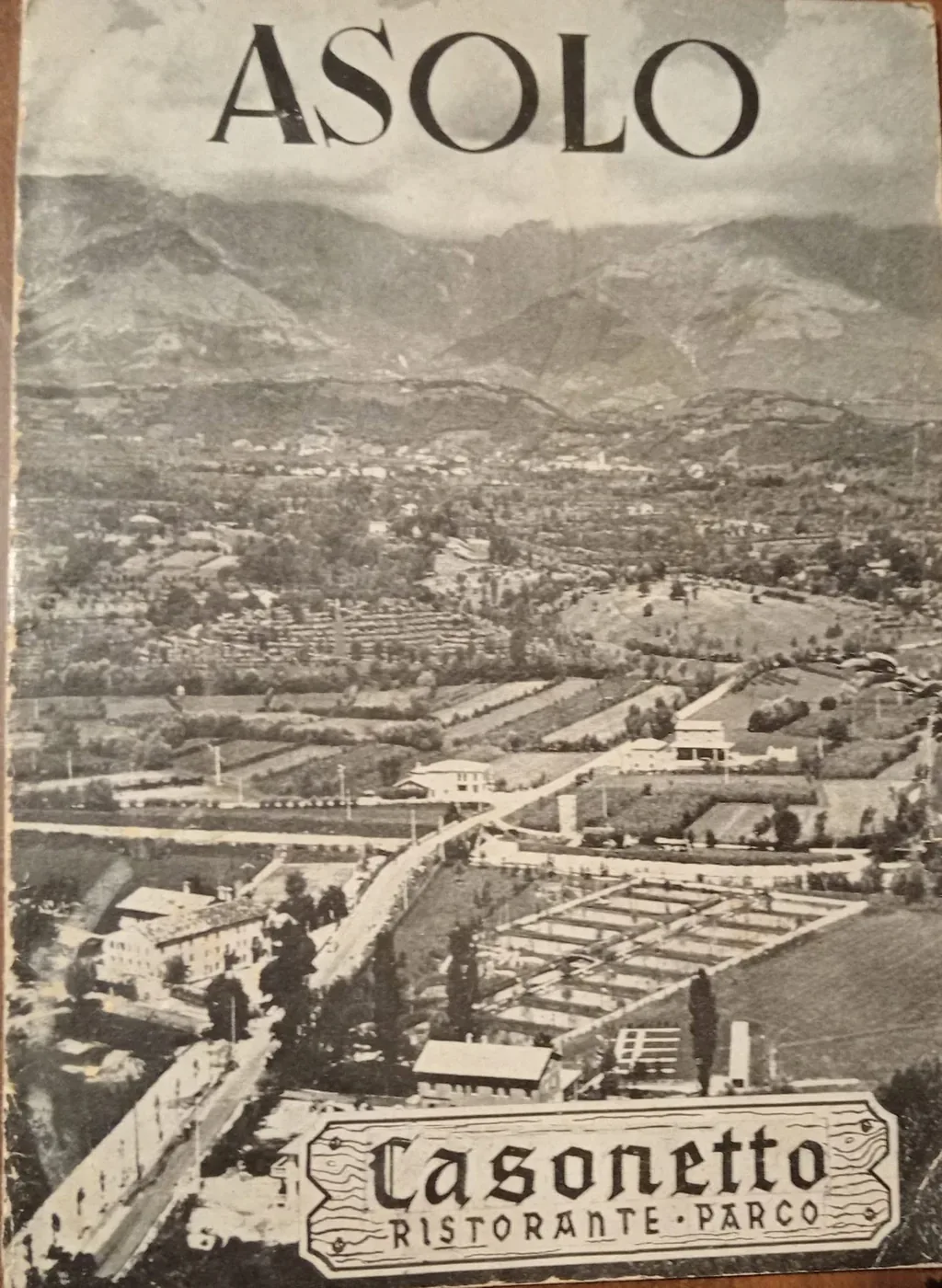
Too little land, divided again with every generation, the taxes that came with unification, pellagra in families that ate nothing but polenta. By the end of the nineteenth century the Veneto was one of the regions sending the most people across the ocean.
The Forners and the Miottos lived in Monfumo and Castelcucco, two neighbouring villages. Fausto Miotto went first, after marrying Rosa Forner in December 1926. By 1927 Italy barely let anyone emigrate for good — one of the exceptions was a wife sent for by a husband who had already gone.
Two women, five children.
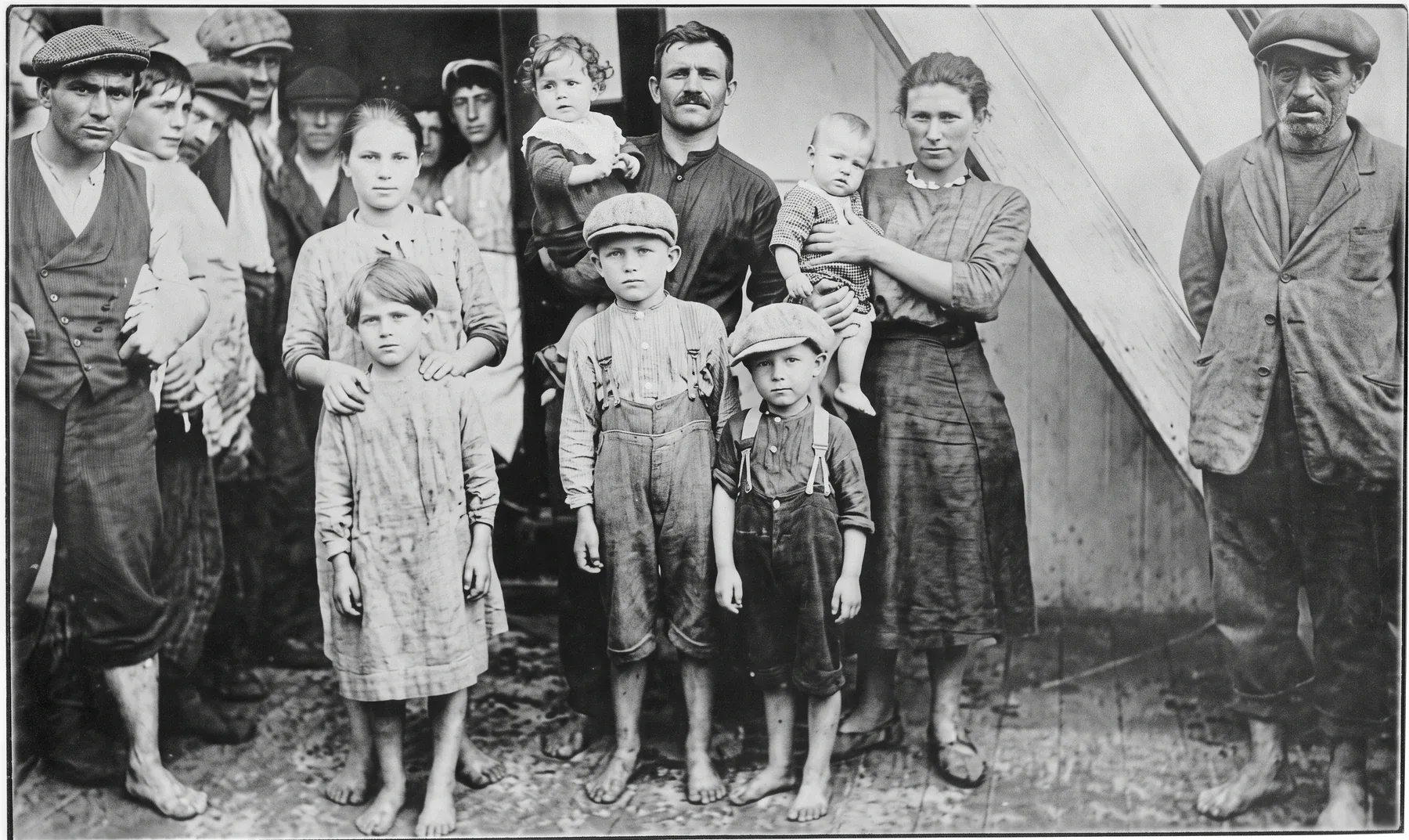
Rosa Forner, twenty-four, with Enrico, aged one. Maria Luigia Forner, thirty-one, with Gina, Pulcheria, Rino and Danilo. Not a single grown man.
They travelled in third class, below decks, among some eight hundred people: Italians, Syrians, Spaniards, Yugoslavs. About seventy were getting off in Brazil; most were bound for Buenos Aires.
After the night, the paperwork.
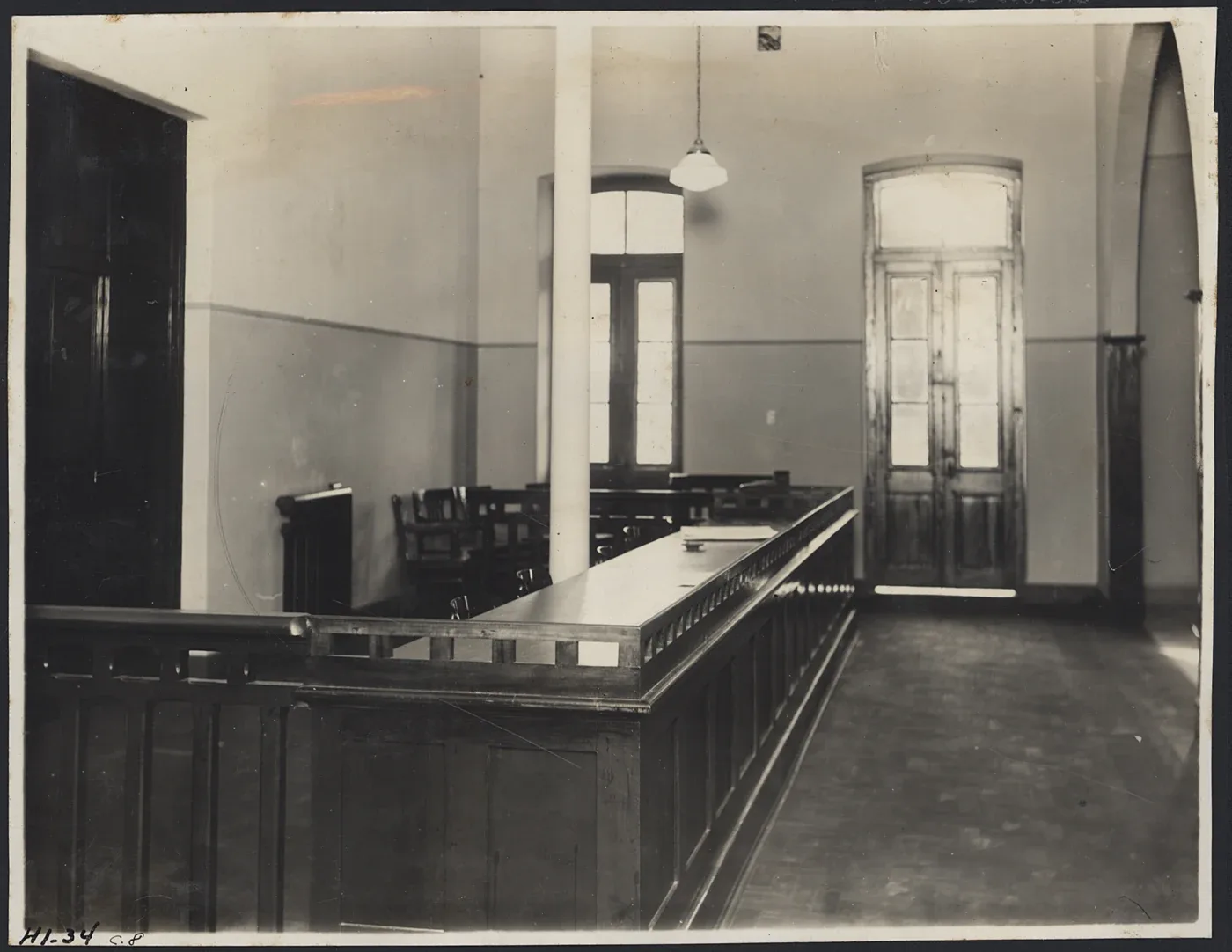
Pulled from the sea, the seven came ashore from the Dutch freighter Alhena on Ilha das Flores, in Rio, on 28 October. Two days later they went on by train, in a special carriage, to the Hospedaria do Brás.
There, on 31 October, they were registered. With almost no luggage. In the column for family relationship, the two sisters were entered as heads of their own households.
Who they were