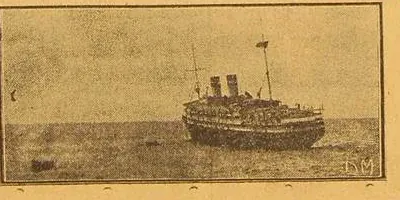
Ninety-nine years ago, on Tuesday, 25 October 1927, the Principessa Mafalda sank in the Atlantic off the coast of Bahia, Brazil.
She had left Genoa fourteen days earlier. She carried 1,259 people, and most of them travelled in third class. They were emigrants: Italians, for the most part, and also Spaniards, Yugoslavs, Arabs, Swiss. They were going to Brazil, to Uruguay and, above all, to Argentina. They carried what fitted in a trunk and a simple idea, which many families summed up in a phrase: to make America. To work, send money home, one day go back.
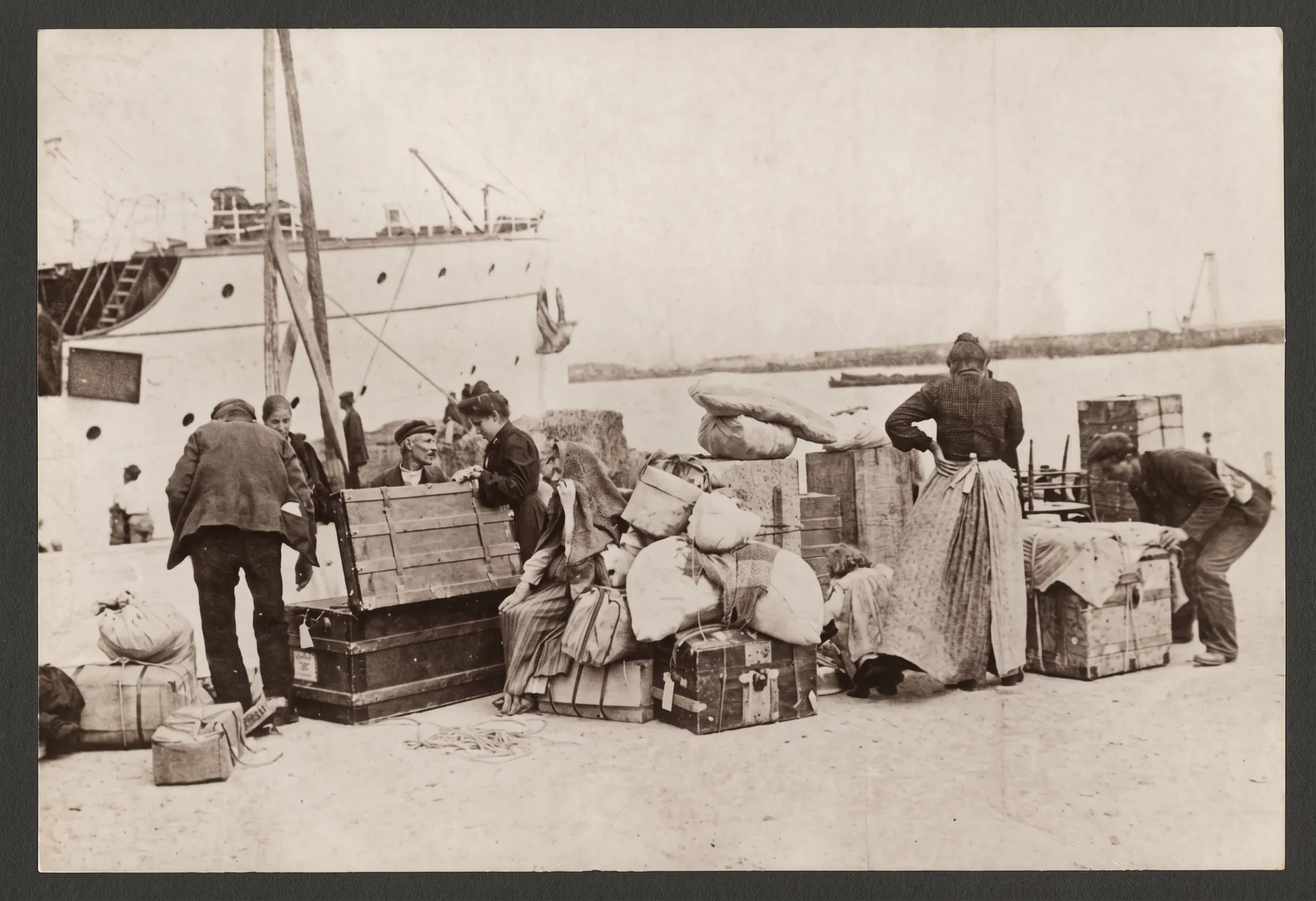
At a quarter past five in the afternoon the propeller shaft broke and the sea began to come in through the stern. The sun set at 6.19. The rest happened in the dark: the lights that failed on board, the lifeboats that left too full or capsized, people clinging to pieces of wood, people waiting in the water for the ships that were on their way. The captain, Simone Gulì, stayed on board.
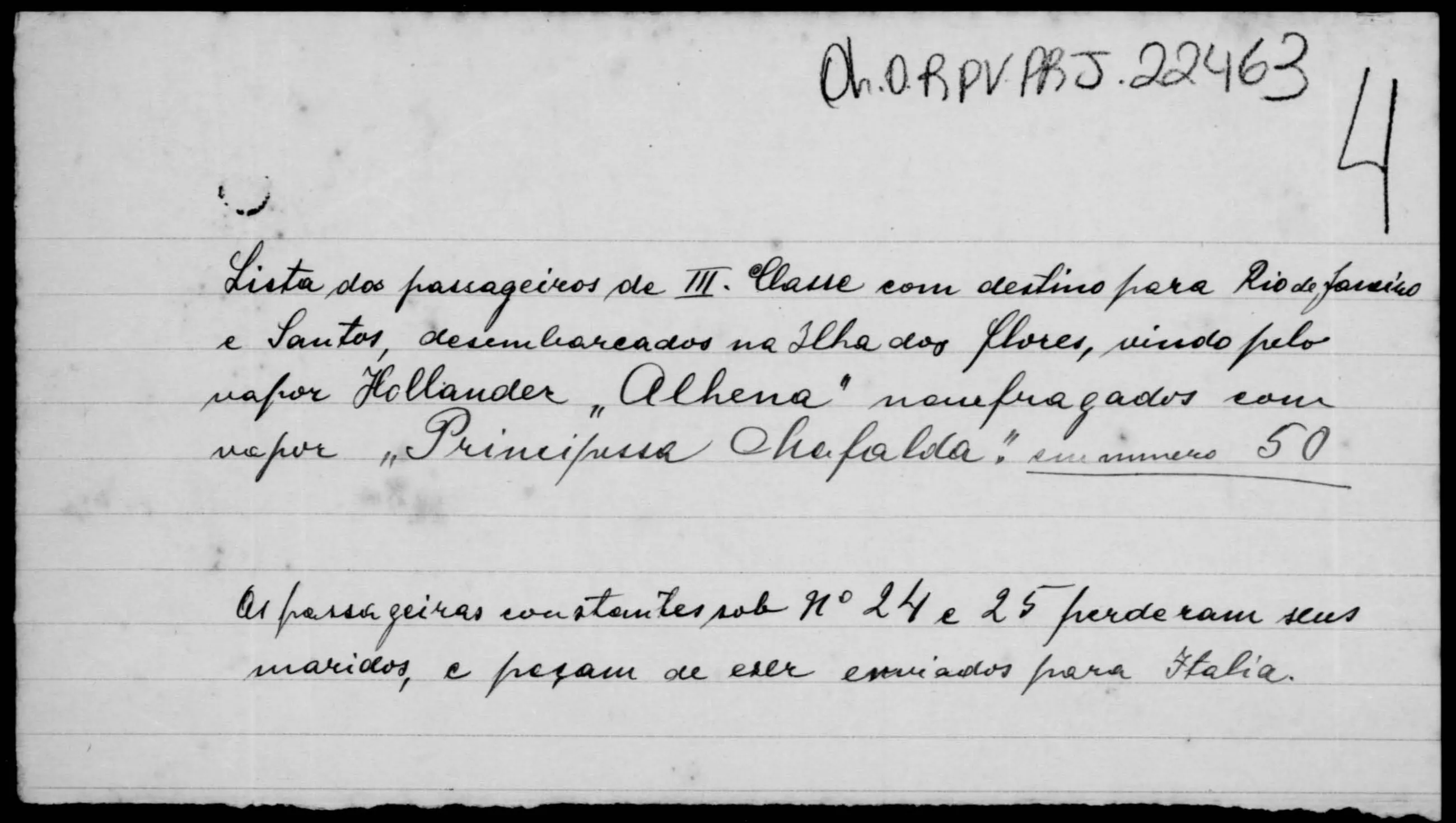
314 people died, by the official figure. Among them were babies a few months old. On the list of those the freighter Alhena took to Rio de Janeiro, someone noted by hand that two passengers had lost their husbands that night and were asking to go back to Italy. A girl of sixteen named Josefina lost her parents and two brothers and was raised by her aunt and uncle in Argentina. Assunta, twenty-one, saw her brother fall into the sea and could never again bear to look at a river. Oreste, who could not swim, survived clinging to a piece of wood and spent his life not wanting to talk about it.
Those who survived arrived with nothing: what they had brought stayed at the bottom of the sea. They landed in Rio de Janeiro, in Bahia, in Recife, went on to São Paulo, Buenos Aires, Montevideo, and began from nothing the life they had crossed the ocean for. Many chose never to speak of that night again.
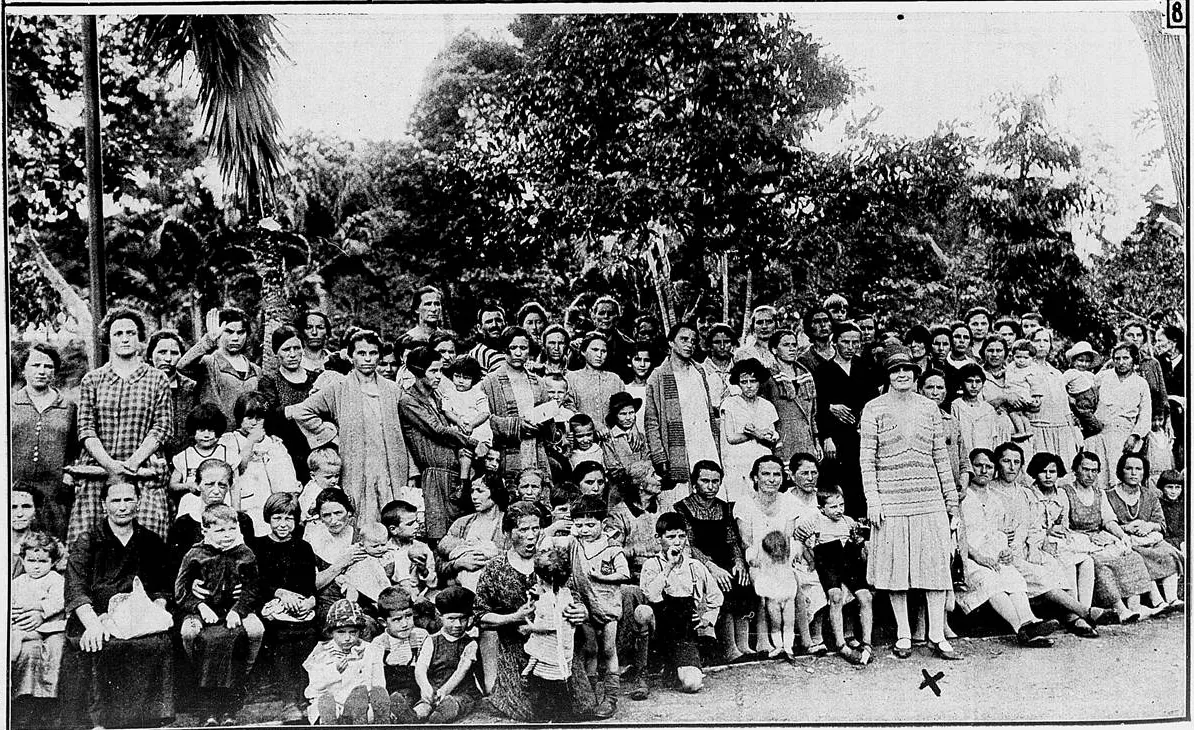
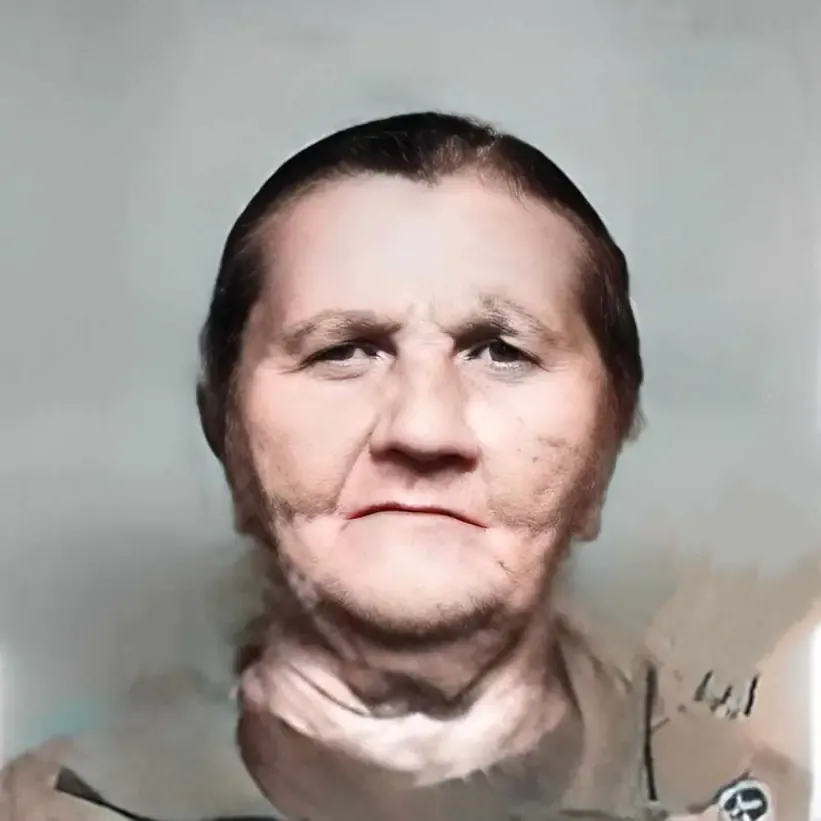
My great-grandmother, Rosa Forner, was 24 and held her one-year-old son Enrico in her arms. She was with her sister, Maria Luigia, and four children. All seven survived. Ten years later, in 1937, Rosa gave a daughter the name of the ship that had nearly killed her: Mafalda.
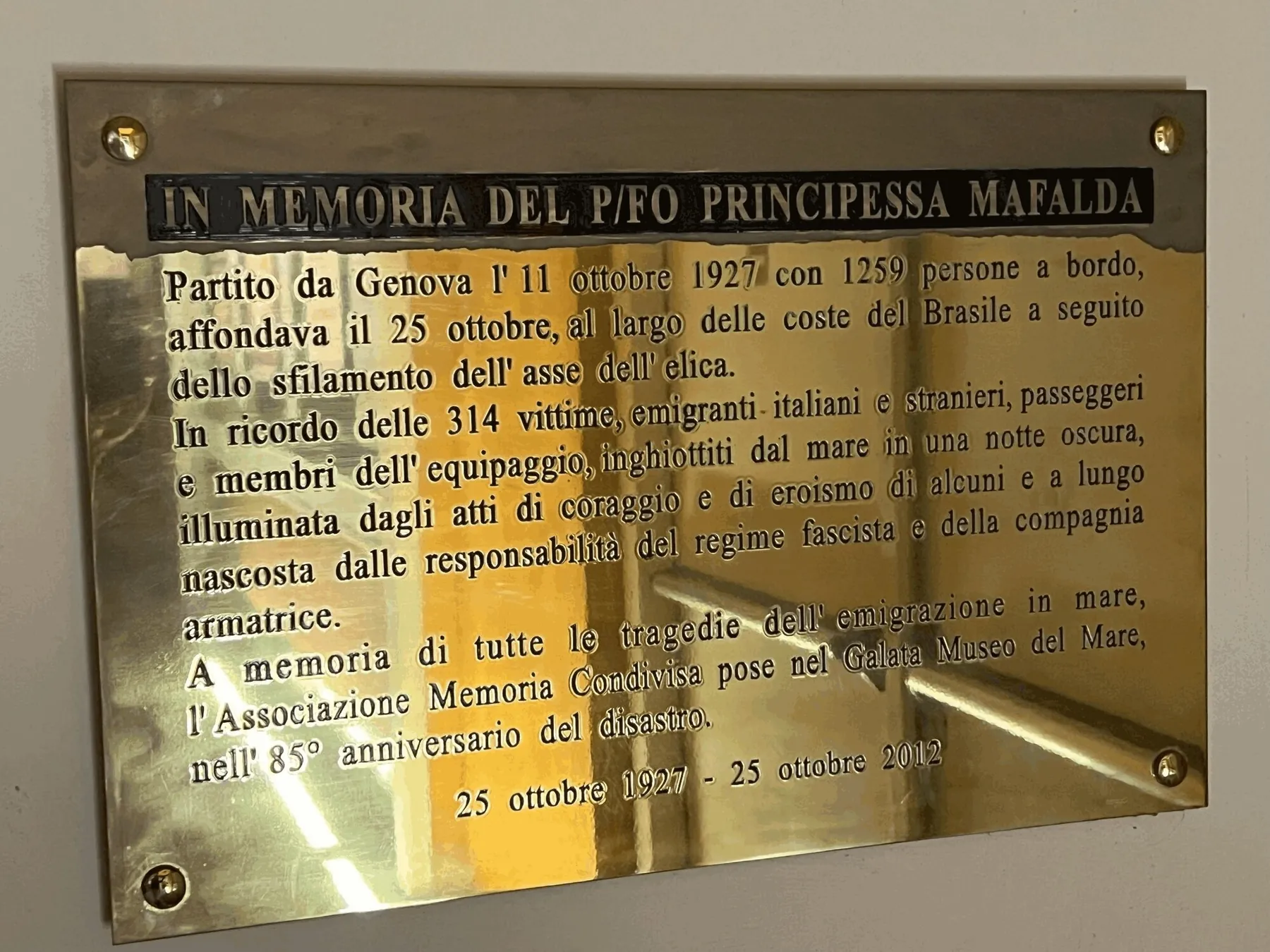
For a long time the shipwreck was met with silence. The plaque that remembers it today in Genoa says it was long hidden by the responsibilities of the Fascist regime and of the shipping company. In Brazil almost no one remembers it. But in thousands of families in Brazil, Argentina, Uruguay and Italy that night is still present, sometimes in a name, sometimes in a silence, sometimes in a trunk that never arrived.
Today is a day to remember them: those who never arrived, and those who arrived and began again.